HEAT TREATMENT COVENTRY LTD
Stress Relief Heat Treatment
Stress relieving uses controlled heating and cooling to reduce residual stresses introduced by manufacturing.


HEAT TREATMENT COVENTRY LTD
Stress relieving uses controlled heating and cooling to reduce residual stresses introduced by manufacturing.
ATMOSPHERIC HEAT TREATMENT
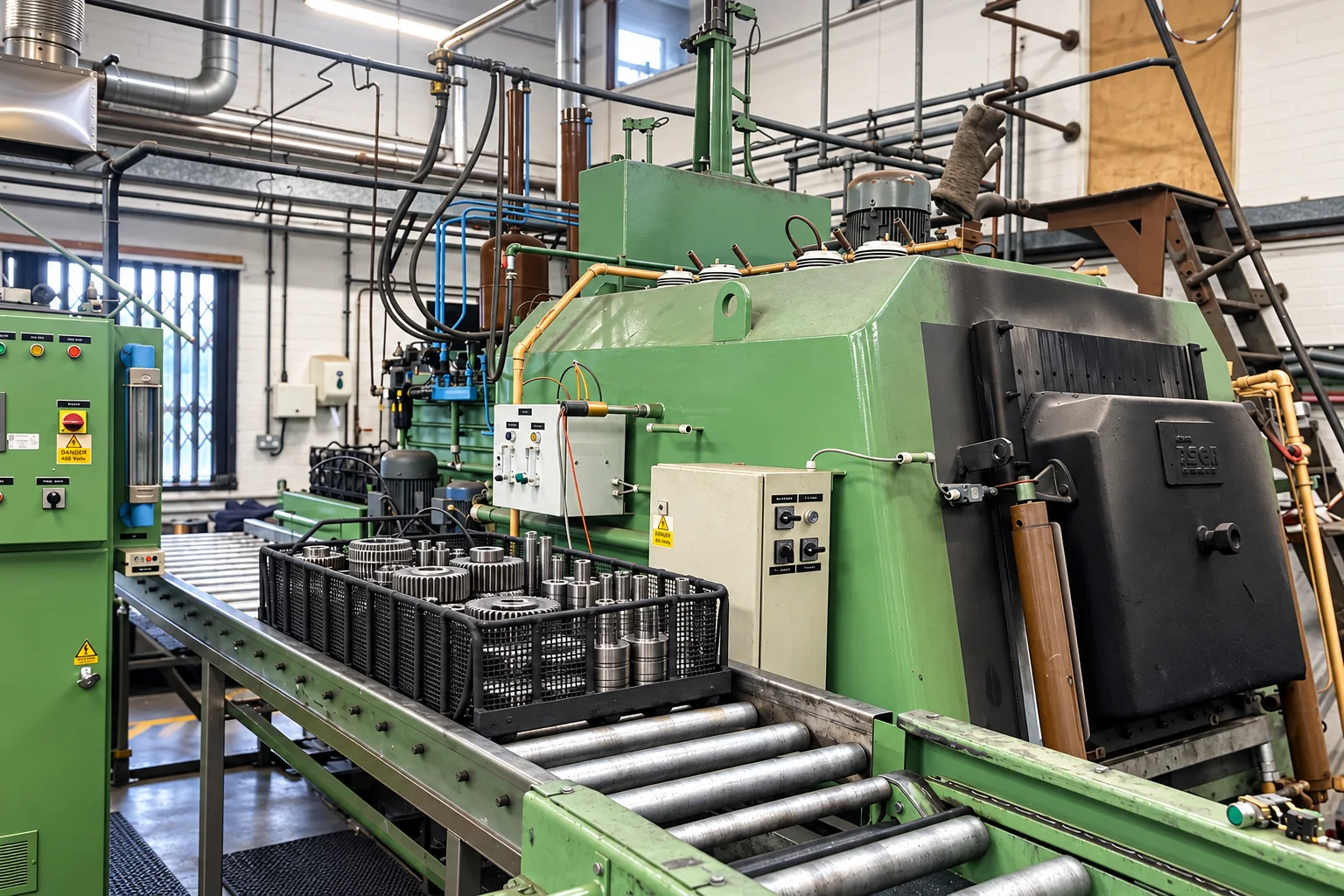
This service sits within HTC’s atmospheric heat-treatment offering for manufacturers and engineering supply chains. The furnace environment and thermal cycle are controlled for repeatable results appropriate to the component and specification. Exact atmosphere, capacity and process parameters are confirmed only after technical review.
01
Residual stress can be introduced by welding, casting, forging, forming, straightening or heavy machining. Stress relief heat treatment is intended to reduce these stresses without applying a full hardening cycle.
02
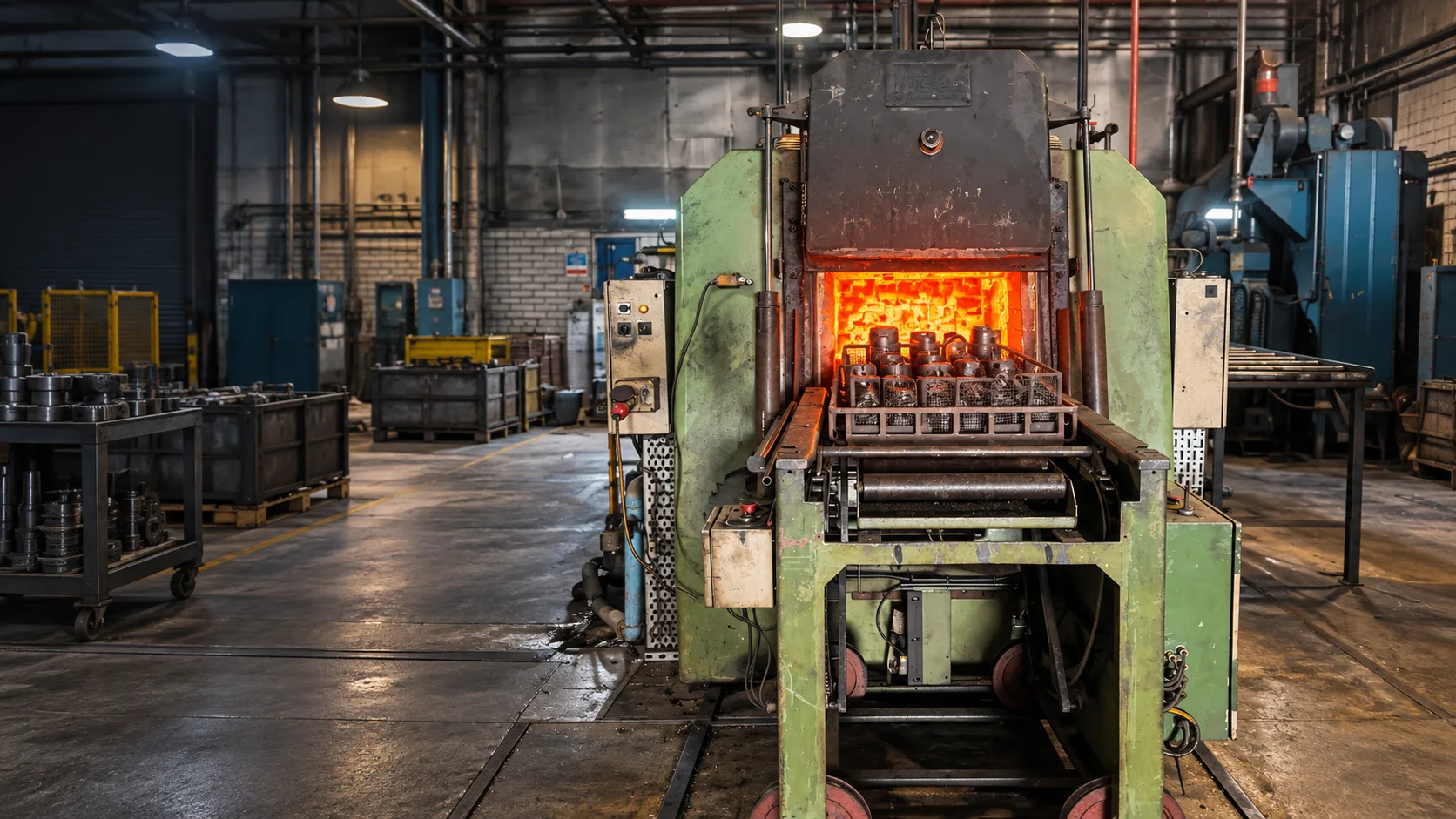
Parts are heated to a material-appropriate temperature below a major transformation range, held as required and cooled in a controlled manner. The correct cycle depends on alloy, prior condition and governing specification.
03
The treatment may improve dimensional stability during subsequent machining or service and reduce the risk associated with locked-in manufacturing stresses.
04
05
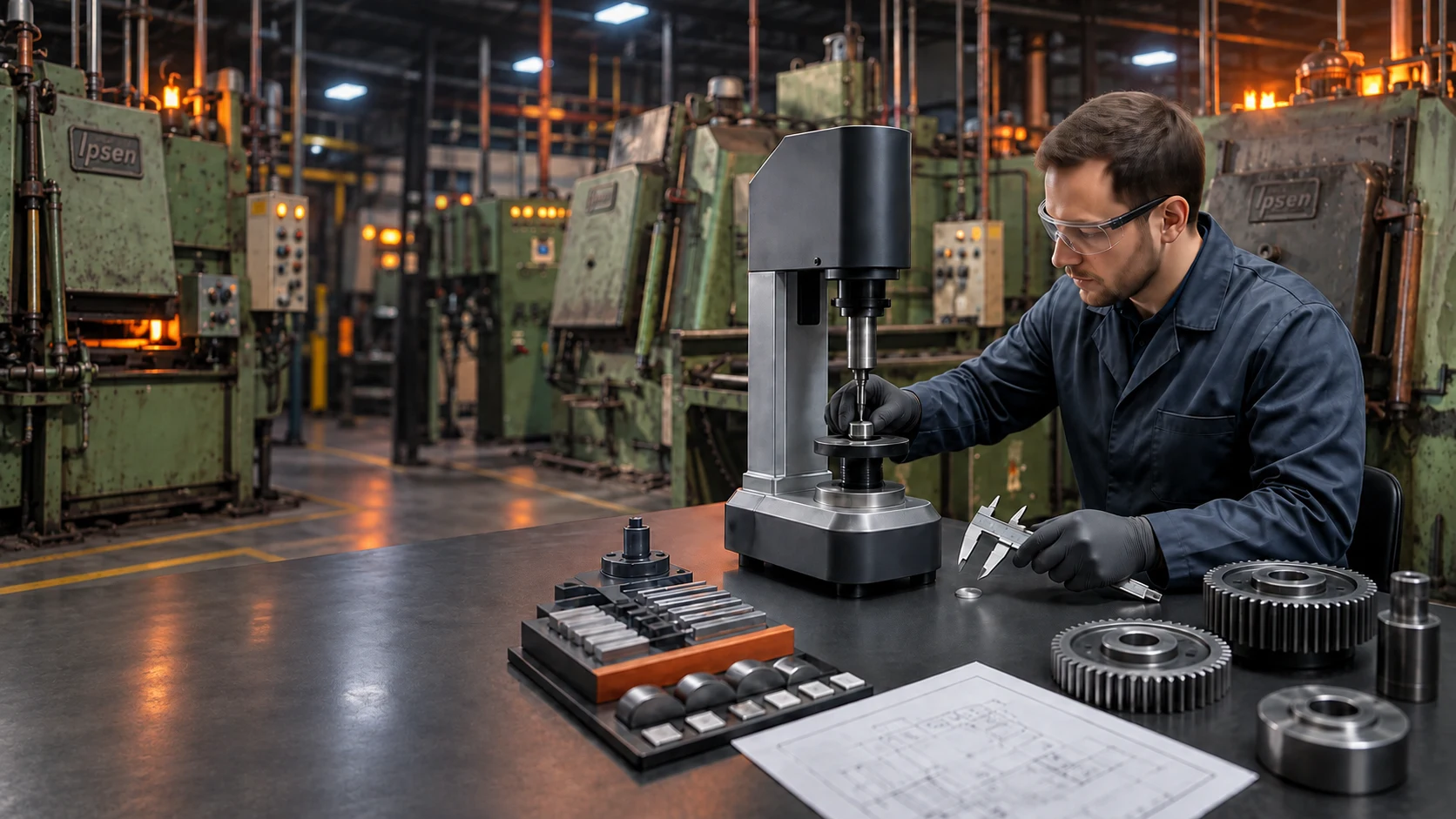
Provide the alloy, prior processing route, component section, required standard and the stage at which stress relief is intended. Some heat-treated materials can lose properties if the wrong temperature is used.
Important: suitability depends on the exact material grade, component condition, geometry and required specification. Please provide these details for technical review before treatment.
Not every component needs the same thermal cycle. Explore our full heat-treatment services or discuss the drawing and performance requirement with our team.
It is often placed after stress-generating operations and before final precision machining, but the manufacturing plan should determine the correct stage.
No practical treatment should be assumed to remove every residual stress. The objective and acceptance requirement should be defined.
Possibly, but temperature must be compatible with the prior heat treatment and required properties. Full material history is important.
Tell us the process, material or steel grade, quantity, component dimensions and required specification. We will review the information and advise on the next step.