HEAT TREATMENT COVENTRY LTD

Age and Precipitation Hardening

Age hardening develops strength and hardness in suitable precipitation-hardening alloys through a controlled thermal cycle.

01

What the Process Is

Precipitation hardening, also called age hardening, relies on fine particles forming within a suitable alloy microstructure. It may follow solution treatment or be applied to material already supplied in a defined condition.

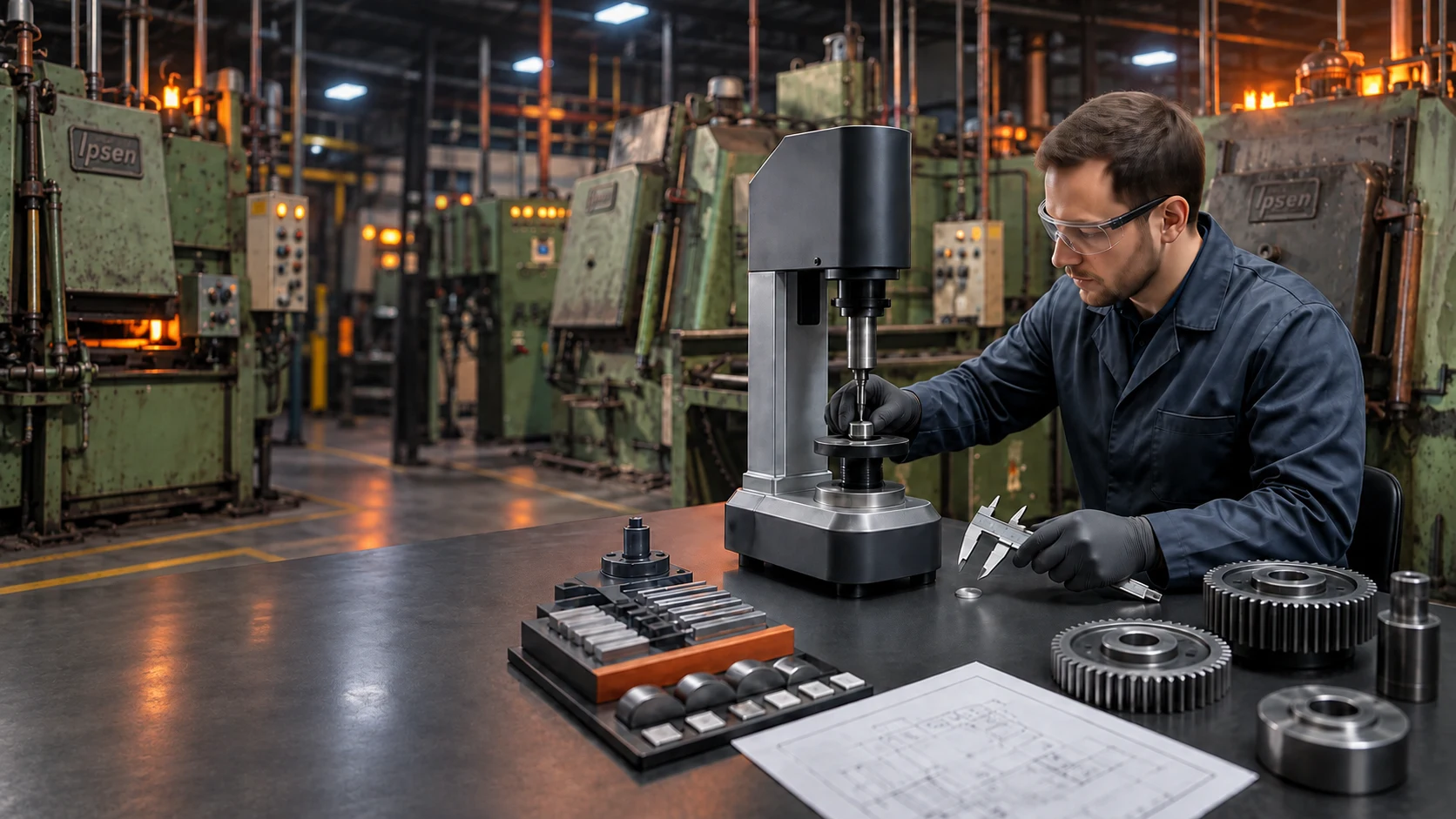
Quality inspection of heat-treated engineering components
Tool-steel punches, dies and precision components

02

How the Treatment Works

The alloy is held at a specified ageing temperature for a controlled time, sometimes after solution treatment and quenching. Single or multiple ageing steps may be required by the material standard.

03

Why Engineers Specify It

For appropriate alloys, ageing can increase strength and hardness while maintaining a useful combination of other properties specified for service.

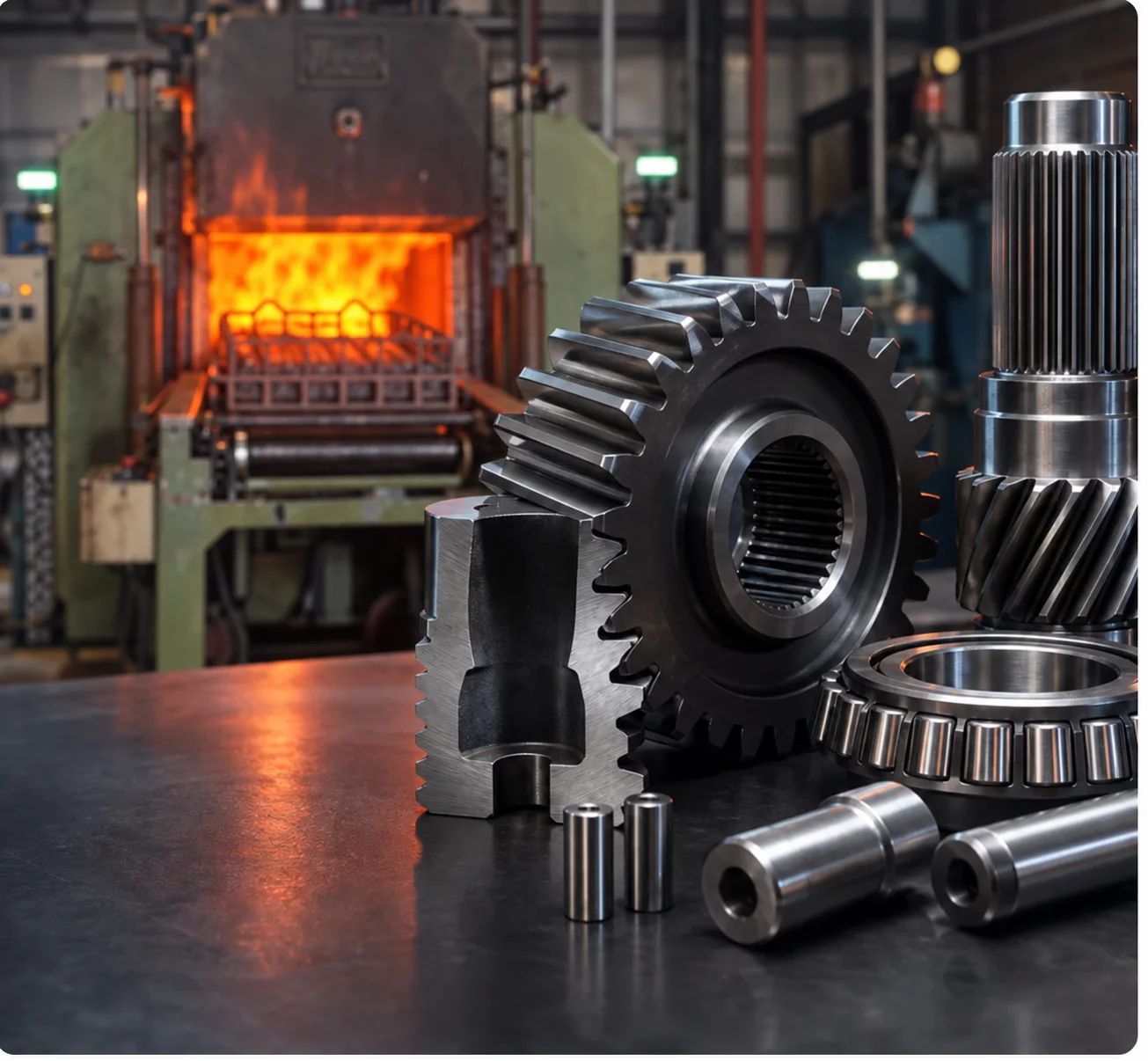
Industrial heat-treatment furnace with steel components
Tool-steel punches, dies and precision components

04

Typical Components and Applications

  • Components made from precipitation-hardening stainless steels
  • Suitable aluminium or nickel alloys where capability is confirmed
  • Precision engineering and load-bearing parts
  • Components supplied to a defined material or customer specification

05

Materials, Specification and Process Control

The exact alloy designation, incoming temper or condition, required final condition and governing standard are mandatory. Capability for a particular alloy must be confirmed before acceptance.

Important: suitability depends on the exact material grade, component condition, geometry and required specification. Please provide these details for technical review before treatment.

Quality inspection of heat-treated engineering components

Related Heat-Treatment Services

Not every component needs the same thermal cycle. Explore our full heat-treatment services or discuss the drawing and performance requirement with our team.

Frequently Asked Questions

No. Only alloys designed to respond to precipitation hardening should be treated this way.

Not necessarily. Some enquiries require ageing only; others specify solution treatment plus ageing. State the incoming and final condition.

Condition or temper designations define prior and final treatment states. Quote the full designation from the drawing or material certificate.

Tool-steel punches, dies and precision components
Industrial heat-treatment furnace with steel components

Request a Precipitation Hardening Quotation

Tell us the process, material or steel grade, quantity, component dimensions and required specification. We will review the information and advise on the next step.