HEAT TREATMENT COVENTRY LTD
Tool Steel Heat Treatment and Hardening
Tool steels require grade-specific heat treatment to develop hardness, wear resistance and service performance.


HEAT TREATMENT COVENTRY LTD
Tool steels require grade-specific heat treatment to develop hardness, wear resistance and service performance.
ATMOSPHERIC HEAT TREATMENT
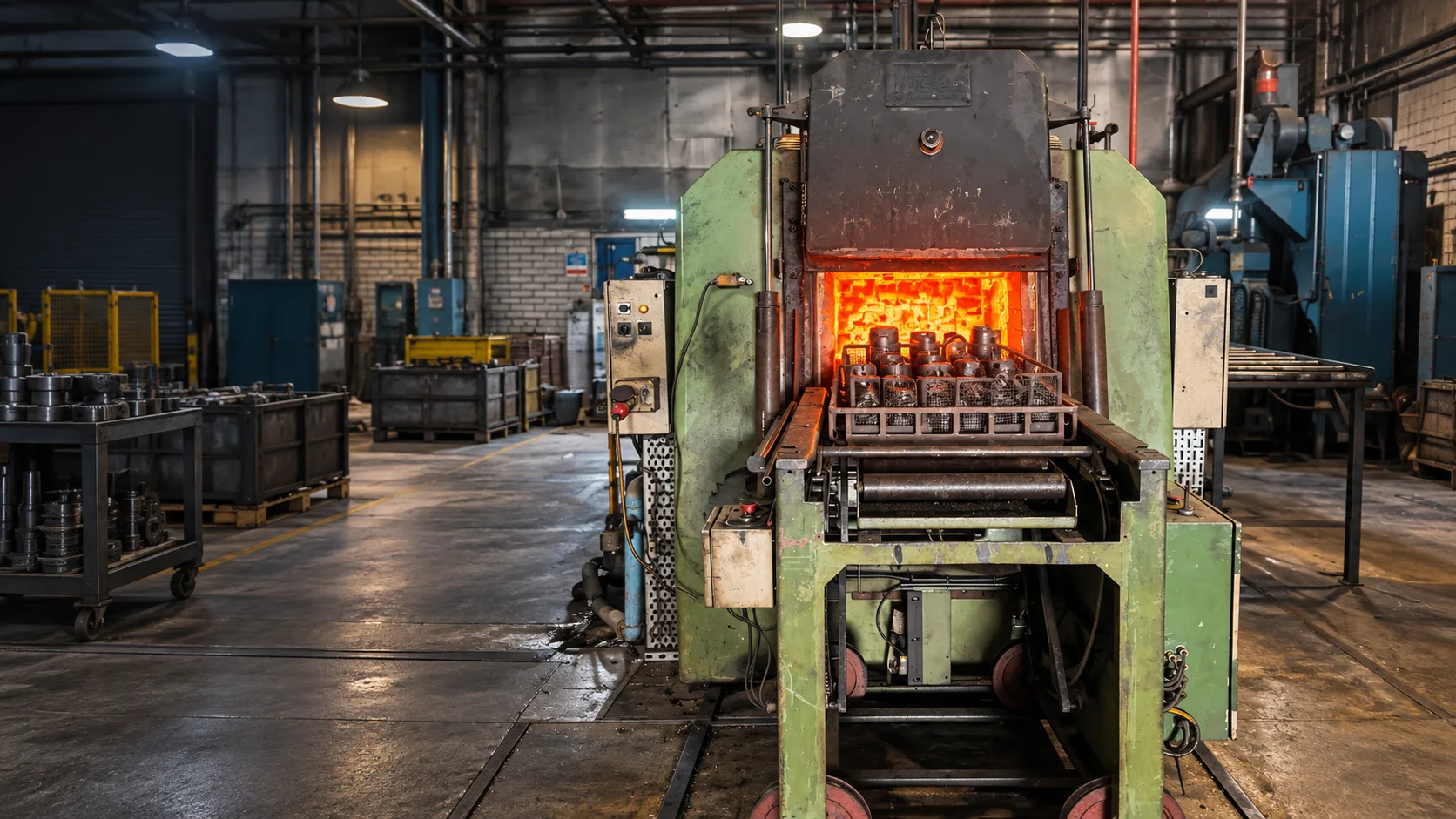
This service sits within HTC’s atmospheric heat-treatment offering for manufacturers and engineering supply chains. The furnace environment and thermal cycle are controlled for repeatable results appropriate to the component and specification. Exact atmosphere, capacity and process parameters are confirmed only after technical review.
01
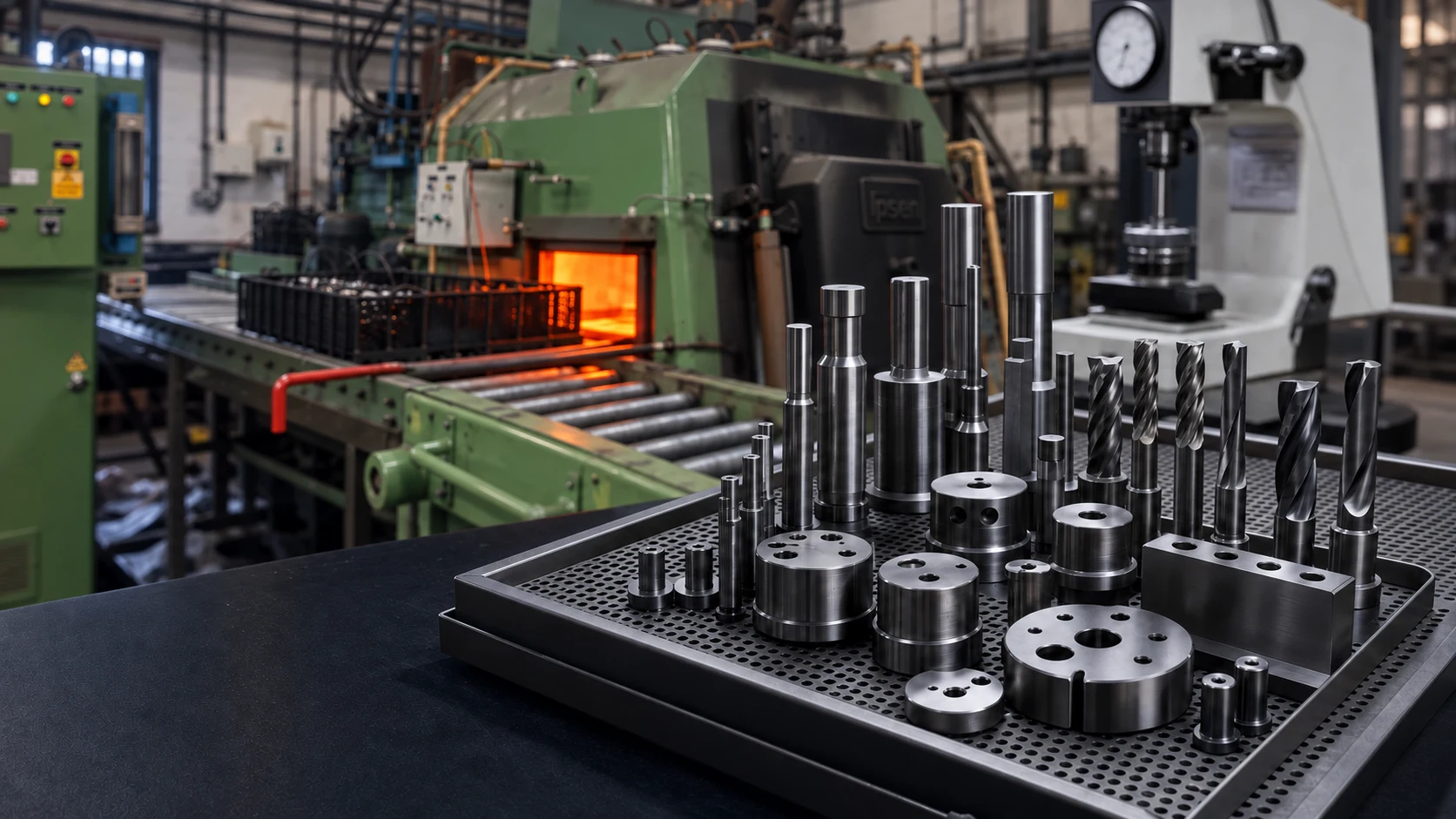
Tool steel hardening uses carefully selected preheating, austenitising, cooling and tempering stages. The route varies substantially between cold-work, hot-work, high-speed and mould steel grades.
02
The identified grade is treated to an agreed specification, with attention to section size, geometry, prior machining and the required hardness. Multiple tempering stages may be specified for particular grades.
03
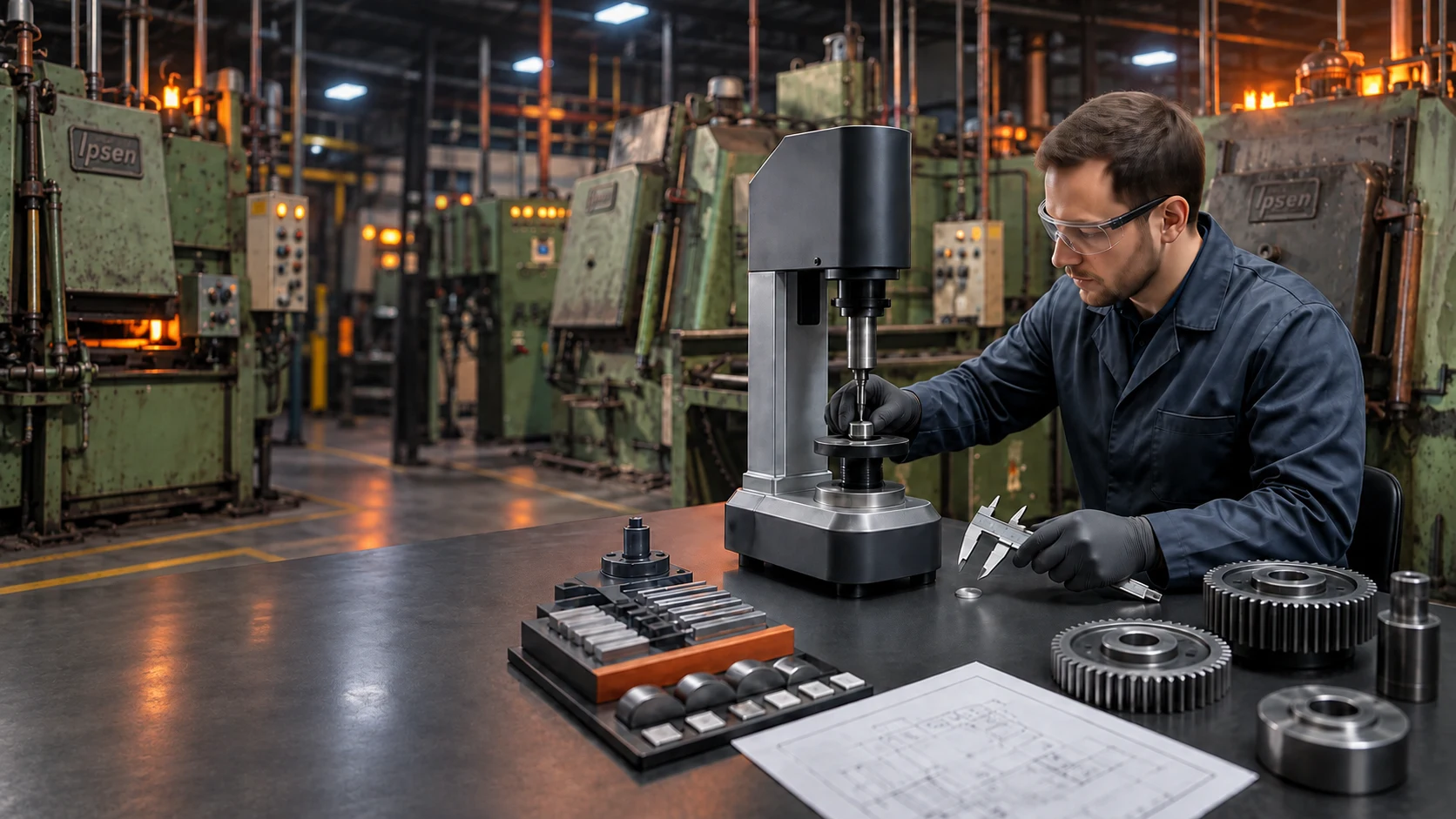
Correct heat treatment helps develop the properties intended by the tool-steel manufacturer while managing brittleness, retained stress and dimensional risk.
04
05
Never describe material only as “tool steel”. Supply the full grade, manufacturer if relevant, required hardness, finished dimensions and any special treatment instruction.
Important: suitability depends on the exact material grade, component condition, geometry and required specification. Please provide these details for technical review before treatment.
Not every component needs the same thermal cycle. Explore our full heat-treatment services or discuss the drawing and performance requirement with our team.
No. Tool-steel families and individual grades require different treatment temperatures, cooling routes and tempering conditions.
That depends on grade, geometry and finishing route. Discuss critical dimensions and final grinding requirements before treatment.
Reliable treatment requires positive material identification. An assumed grade can lead to an unsuitable cycle and poor results.
Tell us the process, material or steel grade, quantity, component dimensions and required specification. We will review the information and advise on the next step.